
Protected: Jaguar Gene Therapy to Start a Clinical Trial in Phelan-McDermid syndrome
Jaguar Gene Therapy receives approval from FDA to conduct gene therapy clinical trials in Phelan-McDermid syndrome.


Jaguar Gene Therapy receives approval from FDA to conduct gene therapy clinical trials in Phelan-McDermid syndrome.
We have breaking news! Jaguar Gene Therapy has received approval from the FDA to conduct a gene therapy clinical trial in Phelan-McDermid syndrome. This is a major milestone for our community and for drug development in Phelan-McDermid syndrome! This will be the first trial aiming to target genetic underpinnings of Phelan-McDermid syndrome.

By Dr. Kate Still, April 2022 A large percentage (up to 80%) of people with a Phelan-McDermid syndrome diagnosis also have a…

Registration is open for our third support group topic, Coping With Neuropsychiatric Episodes. This support group will be open only to those caregivers in our community who have lost a child or adult with Phelan-McDermid syndrome.

What is SHANK3? SHANK3 is a gene that is important for the development and function of the nervous system. Genes are…

Registration is open for our first Phelan-McDermid Caregiver Support Group. We are thrilled to invite you to register for our new Caregiver Support Groups. These groups will be a time for Phelan-McDermid syndrome caregivers to share their experience in a welcoming and supportive group setting.

The new code is Q93.52 and will go into effect October 1, 2023. A years-long dream has been achieved for Phelan-McDermid…

What was the event? PMS mom and PMSF rep Anna Williams participated at an annual Epilepsy Foundation Research Roundtable in Washington…
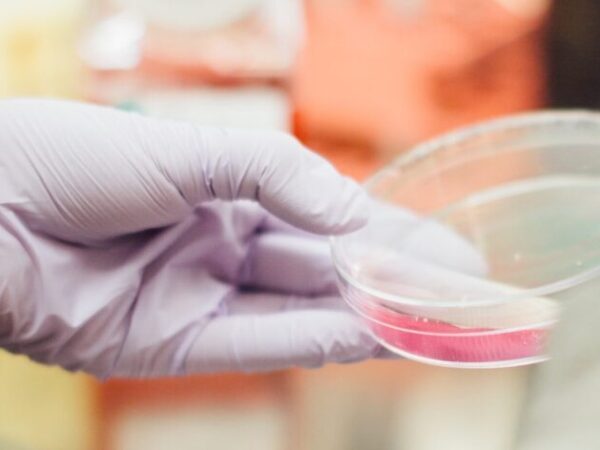
A research team at Northwestern University developed a new drug and tested it in a laboratory model of Phelan-McDermid syndrome.

Dr. Sheng-Nan Qiao at Yale University applied to study the link between brain inflammation and regression (loss of skills) in PMS. The funded project focuses on approaches for reducing neuro-inflammation when modeling Phelan-McDermid syndrome in the laboratory.