
By Diane Linnehan, COO & Interim CEO, PMSF
Diane Linnehan, the Chief Operating Officer and co-interim Chief Executive Officer of the Phelan-McDermid Syndrome Foundation, had the opportunity to join the Phelan-McDermid Syndrome Congress in Barcelona, Spain at the end of June! The four days included the 2nd Annual Phelan-McDermid Syndrome Drug Development Symposium (hosted by CureSHANK), followed by the 3rd Scientific Conference of the Phelan-McDermid Syndrome Association of Spain (hosted by the Spanish Phelan-McDermid Syndrome Association, and sponsored by the Phelan-McDermid Syndrome Foundation)
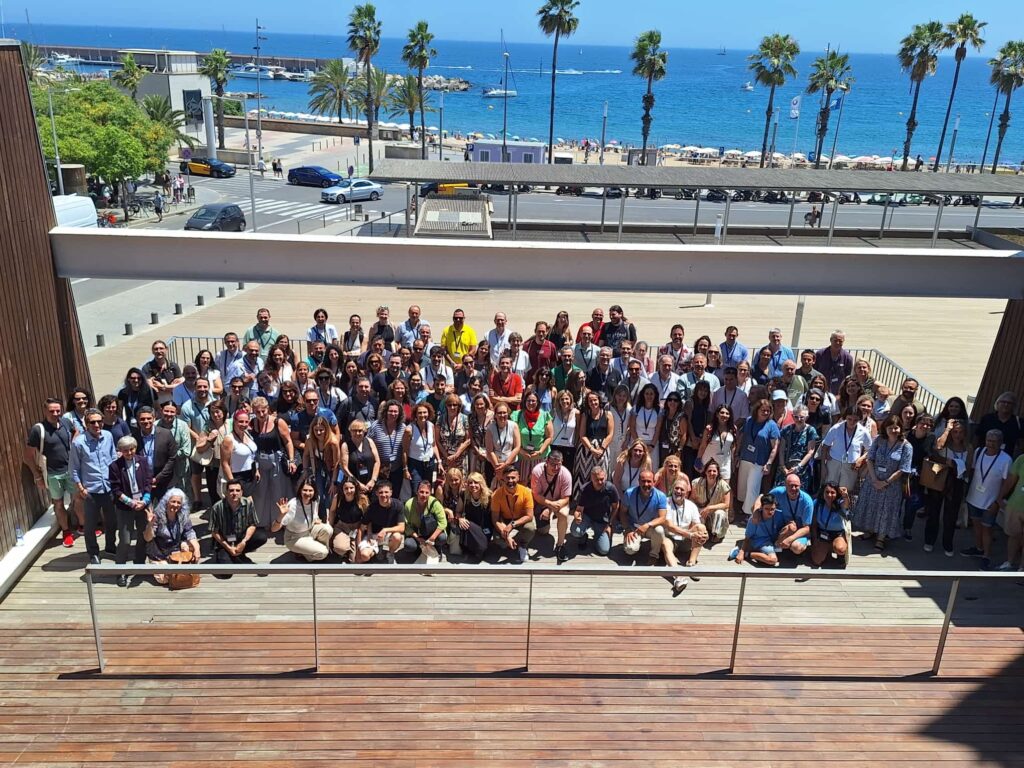
I recently had the opportunity to attend the Scientific and Family Conference in Barcelona, Spain, from June 26 – 29. It was impossible to be there and not feel the shift. We are in a new era. One where treatments, and even potential cures, for Phelan-McDermid syndrome are no longer distant hopes. They’re on the horizon, in the pipeline, and in some cases, already in motion!
Science, Conversations, and a Collective Momentum
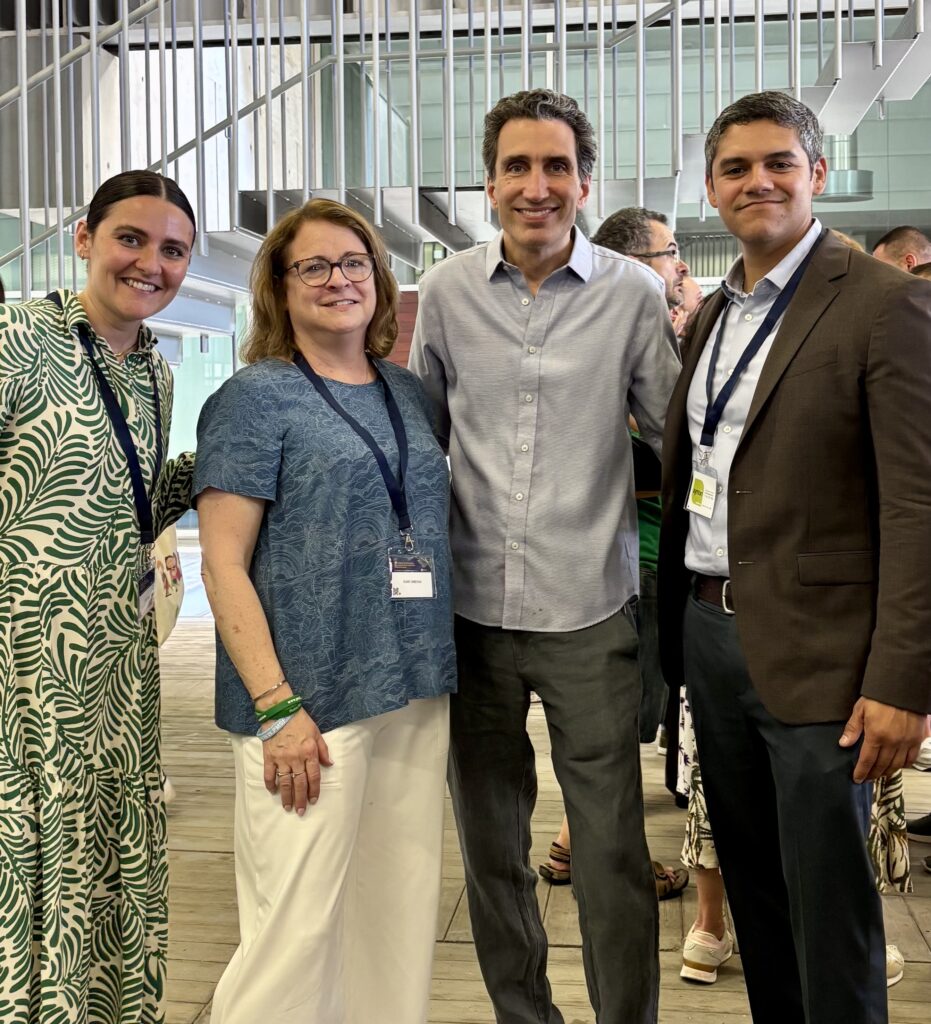
While in Barcelona, I connected with our researchers from the PMS Natural History Study, including Alex Kolevzon, MD, from the Seaver Autism Center at Mount Sinai in New York, and Liz Berry-Kravis, MD, from Rush University Medical Center. I also spent time with our pharmaceutical partners, including PYC Therapeutics and Jaguar Gene Therapy. I had the opportunity to learn about research initiatives both in the US as well as within Europe that are expanding our understanding of genetic and brain mechanisms underlying Phelan-McDermid syndrome. Together, this work across borders and across therapeutic targets is driving innovative solutions. The pipeline for Phelan-McDermid syndrome now includes the possibility of new treatments and cures based on several different mechanisms, including gene replacement therapy, RNA antisense oligonucleotide (ASO), and small molecule medications.
One particular innovative scientific update that caught my eye was from April Levin, MD, of Boston Children’s Hospital, who shared data from the Natural History Study, highlighting a potential “EEG signature” in individuals with Phelan-McDermid syndrome. This is important for two reasons. First, it tells us more about how the Phelan-McDermid syndrome brain responds to sensory stimuli. Second, this specific EEG finding might someday be used as a biological marker, or “biomarker”, to determine whether a treatment is impacting the brain or not.

A Global Community, Growing Stronger
Our thanks to Thomas Bergeron, PhD, of Institut Pasteur and PMSF Scientific Advisory Committee who shared promising lithium trial results and highlighted PMSF’s global reach and DataHub registry in his presentation on international patient registries.
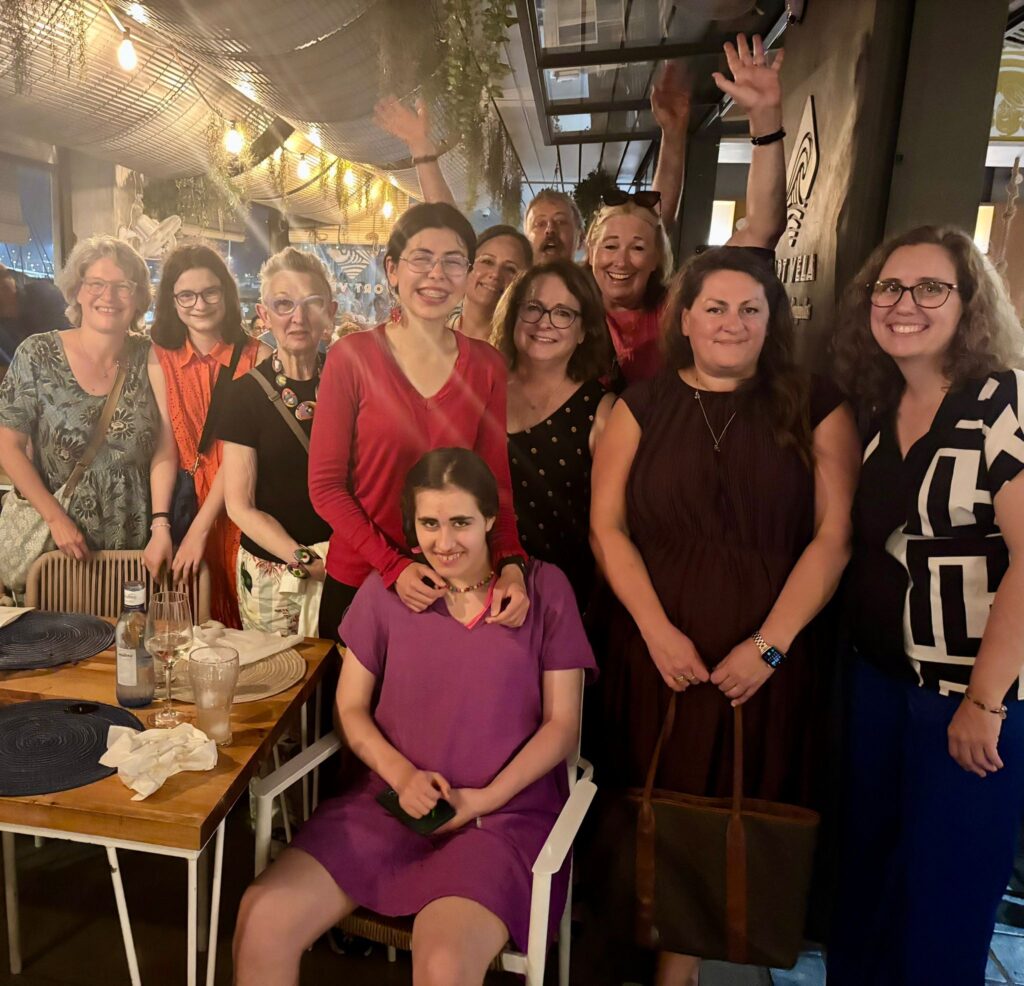
It was a true pleasure to spend time with families and advocacy leaders from the UK, Greece, Spain, Portugal, Switzerland and more catching up with friends and meeting new family members while learning more about accomplishments and challenges for caregivers and individuals with Phelan-McDermid syndrome in Europe. In a meeting led by members of the Spanish, German, United States, and UK patient advocacy groups, we focused on the emergence of a new PMS Global Organization—a collaboration that brings together advocacy leaders from across countries to align efforts and share resources. At PMSF, we support this effort aimed to strengthen what we’re all trying to do: get treatments to families faster and support everyone along the way.
Our Efforts are Paying Off
Much of what’s happening now wouldn’t be possible without the groundwork PMSF and partners helped lay over many years, including (but not limited to!) participation in and financial support of the Natural History Study, the DataHub patient registry, family support resources, building a growing and engaged family community, and our Medical and Scientific Advisory Committees guiding clinical care and research. We’ve built and maintained relationships with researchers, clinicians, global members, other advocacy groups, and pharmaceutical companies. In conjunction with our strong family connections, it is evident that these collective efforts and investments are paying off, and we are truly at a turning point in clinical care and discovery.
Looking Ahead
We know that the path forward is still challenging, but it is important to remember we are not walking it alone. We have partners. We have data. We have families who show up, speak up, and sign up. And we now have real momentum! We are in this together.
The time in the beautiful city of Barcelona reminded me that this community knows how to build something meaningful from the ground up that can truly change lives. We are looking forward to bringing our family, scientific and industry community together again in 2026 at the PMSF Family Conference in Aurora, Colorado, USA. Our theme, “The Climb We Make Together,” was inspired by this shared journey and the strength of our connections, the importance of care, and the pursuit of a brighter future for everyone living with Phelan-McDermid syndrome.