
By Lauren Schmitt, PhD
3/26/2026
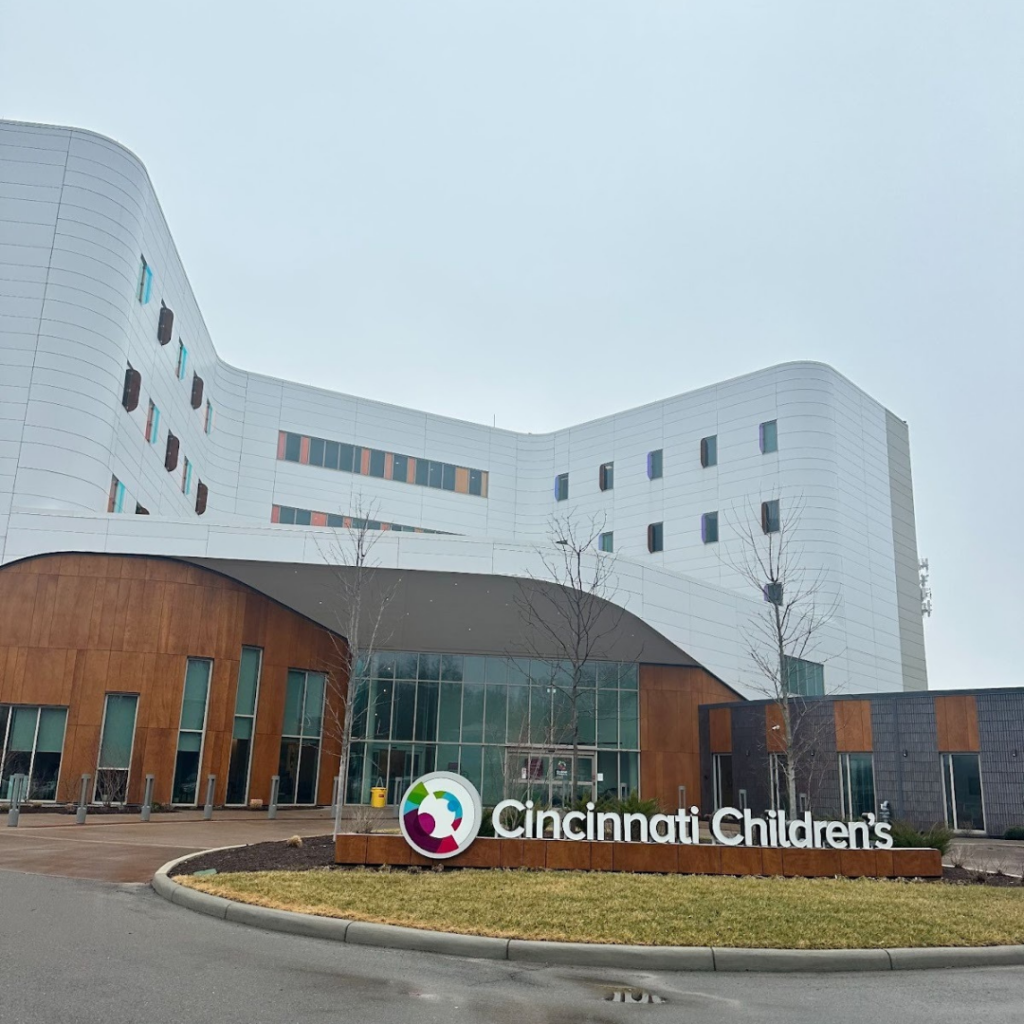
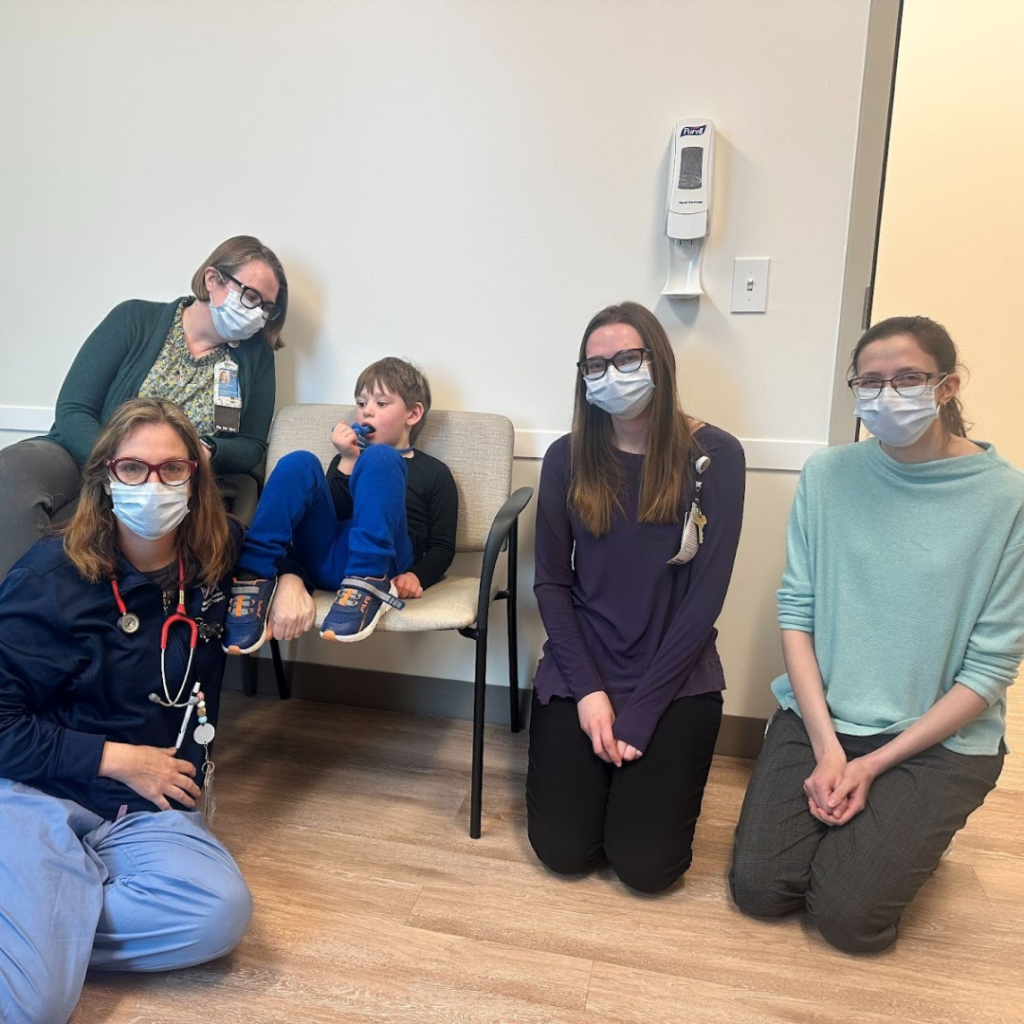
Cincinnati Children’s Hospital Medical Center (Cincinnati, Ohio) is now home to the first multidisciplinary clinic specializing in Phelan-McDermid syndrome. Dr. Lauren Schmitt, who lives in Cincinnati, had the opportunity to visit during a clinic day in March.
What is a multidisciplinary clinic?
A multidisciplinary clinic provides access to multiple medical subspecialties within a single visit—sometimes even within one appointment. Instead of families having to coordinate visits with multiple providers over one or two days, a multidisciplinary clinic streamlines the process and does the work for you.
At Cincinnati Children’s, families benefit from this model in a practical, family-centered way. Rather than navigating multiple separate appointments, the clinic integrates specialists from genetics, neurology, psychiatry, sleep medicine, and gastroenterology into a unified visit. This approach reflects best practices for Phelan-McDermid syndrome, where care must address multiple domains simultaneously.
Who is on the team?
The Cincinnati Children’s Phelan-McDermid Syndrome Clinic includes:
Clinical geneticist: Dr. Amelle (“Ame”) Shillington
Clinical genetic counselor: Rachel Doberstein
Psychiatrist: Dr. Kelli Dominick
Neurologist: Dr. David Franz
Sleep specialist: Dr. Thomas Dye
Gastroenterologist: Dr. Allison Ta
While not all providers will be present at every appointment, each family will always be supported by a core team that includes Dr. Shillington, Ms. Doberstein, and Drs. Dominick and Franz.
What makes this clinic especially supportive is its structure, built around a consistent core team and a dedicated clinical lead. Dr. Shillington serves as the central coordinator—helping families feel heard, synthesizing input from specialists, and translating complex recommendations into clear next steps. This type of coordinated leadership is specifically recommended in Phelan-McDermid syndrome care to reduce caregiver burden and improve continuity across medical decisions.
Why does this matter?
Phelan-McDermid syndrome is a complex, multisystem condition that affects neurological, medical, and behavioral health across the lifespan. For this reason, international consensus guidelines strongly recommend multidisciplinary, coordinated care led by experienced teams.
Dr. Shillington explains it best: “Our goal is to make care feel less fragmented and more connected. Families of children with Phelan-McDermid syndrome are often managing complex needs across many specialties, and this clinic brings many pieces together so parents can focus on their child—not the logistics of navigating healthcare systems.”
For families, the result is not just access to expertise, but a more manageable and compassionate experience where care is organized around the whole child—not just individual symptoms. As one parent shared, “Dr. Shillington made us feel welcome from the moment we arrived. She spent nearly an hour listening to [my son’s] story and truly took the time to understand him.”
What’s next?
For PMSF, this clinic represents an important step forward, not just in expanding our network of healthcare providers, but in advancing the model of care we hope to see for all individuals with Phelan-McDermid syndrome. While many existing clinics focus on a single specialty, our long-term goal is to support the development of more multidisciplinary clinics that bring coordinated, expert care together in one place.
The Cincinnati Children’s Phelan-McDermid Syndrome Clinic is now accepting new families. Currently, the clinic operates one half-day per month dedicated to Phelan-McDermid syndrome, with plans to expand as needed.
As one of the top children’s hospitals in the nation—and with several ongoing industry trials in other rare neurodevelopmental disorders—Cincinnati Children’s also hopes to become a future site for clinical trials in Phelan-McDermid syndrome. Dr. Craig Erickson, a psychiatrist and renowned expert in Fragile X syndrome, serves as the clinic’s research liaison to help advance this goal.
For families interested in establishing care at Cincinnati Children’s, a physician referral is required. Your loved one’s provider should submit a referral by faxing the referral form to 513-803-1111. Forms are available online here.
For additional questions, you may email phelanmcdermid@cchmc.org or submit an inquiry through the online form.
Important Notes
There is no age limit for patients seen by Cincinnati Children’s Genetics
Cincinnati Children’s accepts patients from around the world