SHANK3 in Phelan-McDermid syndrome
What is SHANK3? SHANK3 is a gene that is important for the development and function of the nervous system. Genes are…


What is SHANK3? SHANK3 is a gene that is important for the development and function of the nervous system. Genes are…
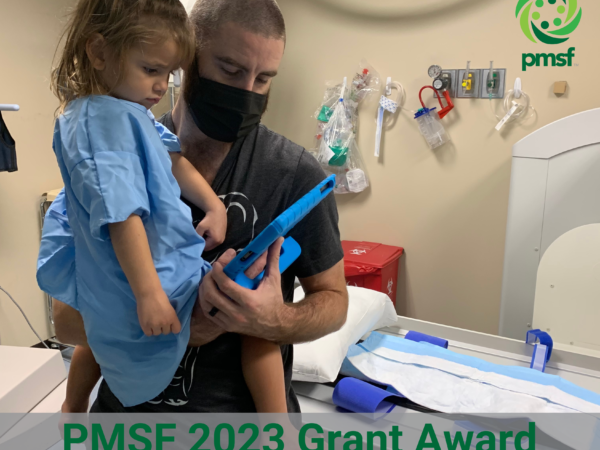
PMSF announced a research grants program in January 2023 to provide funding to highly motivated scientists studying Phelan-McDermid syndrome. Our goal…
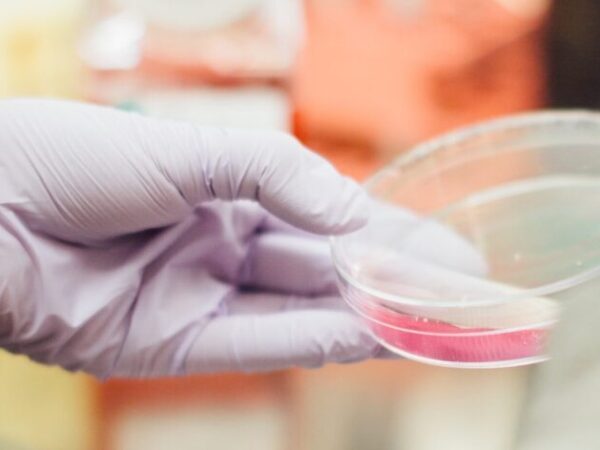
A research team at Northwestern University developed a new drug and tested it in a laboratory model of Phelan-McDermid syndrome.

Dr. Sheng-Nan Qiao at Yale University applied to study the link between brain inflammation and regression (loss of skills) in PMS. The funded project focuses on approaches for reducing neuro-inflammation when modeling Phelan-McDermid syndrome in the laboratory.
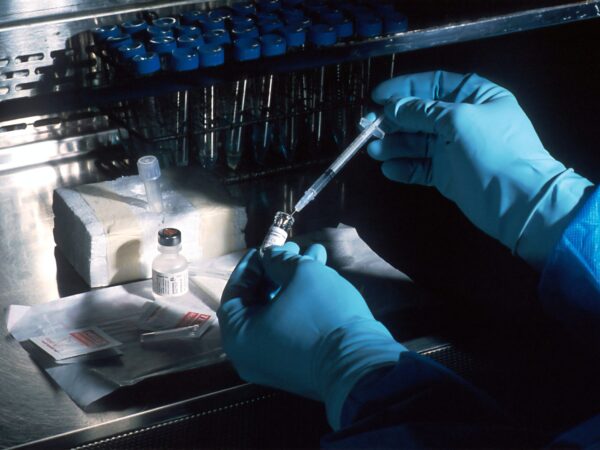
We've been hearing about antisense oligonucleotides (ASOs) in the news as a potential therapeutic for PMS. But what are they and how do they work?

https://youtu.be/fRDlkex2Kjg PMSF has applied to the CDC for an ICD Code for Phelan-McDermid syndrome. Our Scientific Director shares why this is…

Phelan-McDermid Syndrome Foundation is excited to announce that Carla D’Imperio, MS has accepted the position of Family Support Specialist. Join us in welcoming Carla to the team!
Results from a study testing the safety and feasibility of using growth hormone (GH) as a treatment in children with Phelan-McDermid syndrome has just been published.

The Natural History Study is funded by NIH and the goal is to help medical professionals study PMS and how it progresses over time. This information is essential for developing clinical guidelines, identifying research priorities, and assessing the effectiveness of the clinical intervention.
Results from a study testing the safety and feasibility of using growth hormone (GH) as a treatment in children with Phelan-McDermid syndrome has just been published.