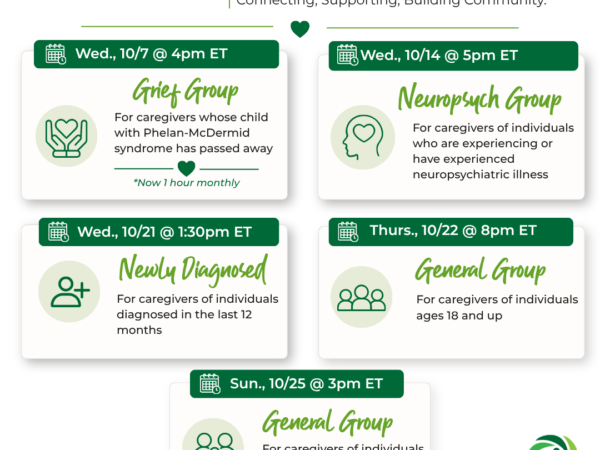
Caregiver Support Group of Phelan-McDermid syndrome individuals from birth to age 18
The Support Group for the Phelan-McDermid Syndrome Caregiver is an open group for all parents, guardians, and primary caregivers of Phelan-McDermid syndrome…


The Support Group for the Phelan-McDermid Syndrome Caregiver is an open group for all parents, guardians, and primary caregivers of Phelan-McDermid syndrome…
The months following a Phelan-McDermid syndrome diagnosis can be very difficult for parents and caregivers. The “Support Group For the Newly Diagnosed…
The “Coping With Neuropsychiatric Episodes” Support Group is a closed group for caregivers whose child is going through or has gone through a…
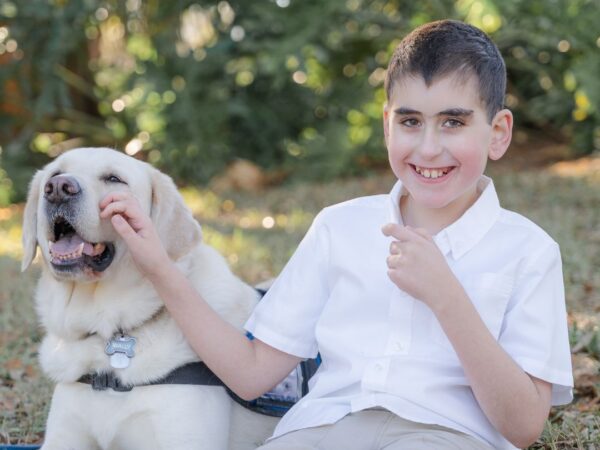
Learn why ring chromosome 22 matters for individuals with Phelan-McDermid syndrome (PMS). While most people with PMS caused by a deletion have a terminal 22q13 deletion, approximately 10% have a ring chromosome 22, in which the ends of chromosome 22 join to form a circle. This blog explains why families should know whether a loved one with a terminal deletion has ring 22 and why a karyotype or FISH testing may be needed to identify it. Ring chromosome 22 can have additional medical implications, including an increased risk for tumors associated with loss of function of the NF2 gene and NF2-related schwannomatosis. Understanding a person’s genetic diagnosis can help families and healthcare providers discuss appropriate medical monitoring and recognize potential concerns earlier. Families affected by Phelan-McDermid syndrome can learn what testing identifies ring chromosome 22 and why follow-up with genetics and other specialists may be important.
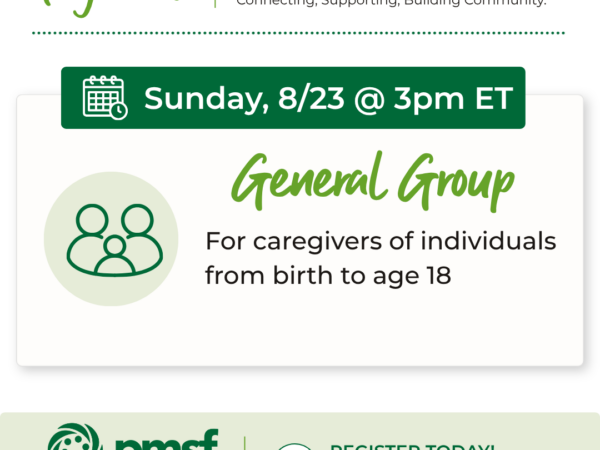
The Support Group for the Phelan-McDermid Syndrome Caregiver is an open group for all parents, guardians, and primary caregivers of Phelan-McDermid…
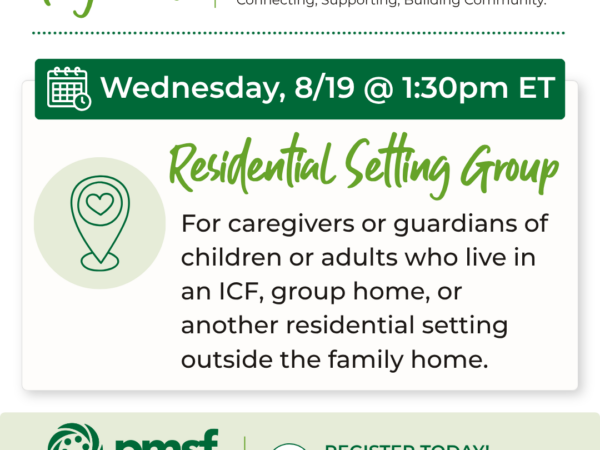
This support group is for parents and guardians of individuals (adults and children) with Phelan-McDermid syndrome who live in an ICF,…
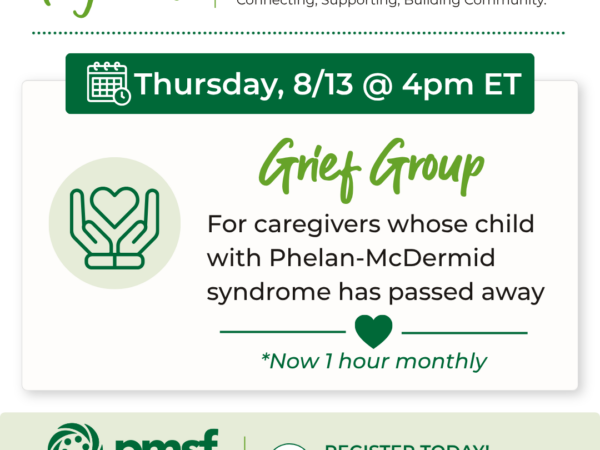
The “Coping With the Grief From the Loss of a Child” Support Group will be a closed group for those caregivers in…
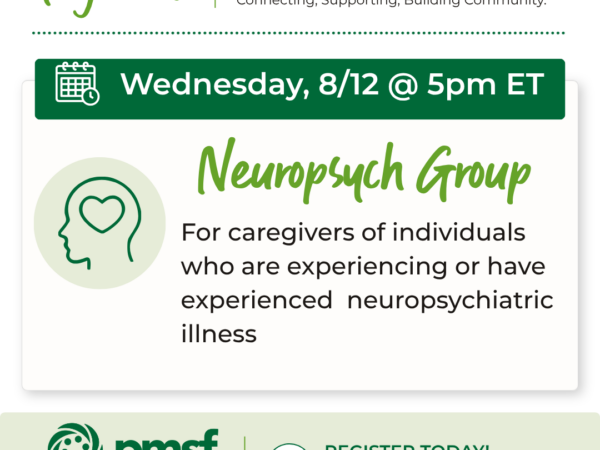
The “Coping With Neuropsychiatric Episodes” Support Group is a closed group for caregivers whose child is going through or has gone through a…
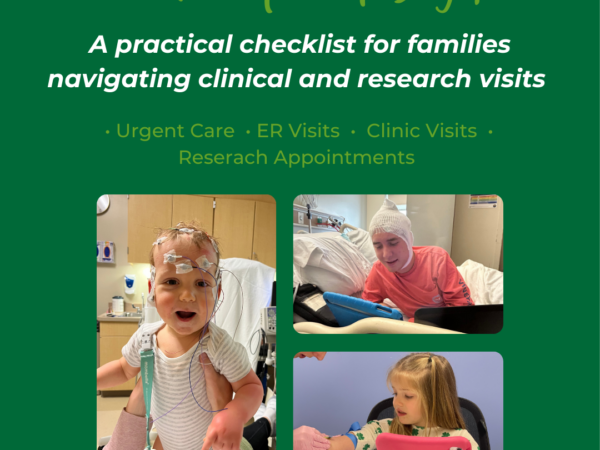
By Lauren Schmitt, PhDDate February 25, 2026Everyday, our families are taking their loved ones to clinic appointments, research visits, or under…
